

Artisan Milled vs. Hand Spun Alpaca Yarn: What’s the Difference?
If you’ve ever held two skeins of alpaca yarn in your hands—one smooth and evenly spun, the other full of texture and natural variation—and wondered why they feel so different, you’re not alone. As you grow more thoughtful about the materials you use, it’s normal to start asking deeper questions.
Many makers reach a point where they wonder: What is the difference between artisan milled and hand spun alpaca yarn? And which one should I choose for my projects?
At Enchanted Fibers, we work with alpaca fiber from the day it’s sheared through every step of processing—whether it’s sent to a small artisan mill or spun by hand in our studio. After working with hundreds of fleeces, we’ve seen how these choices shape the final yarn.
In this post, you’ll learn how artisan milled and hand spun alpaca yarn are made, how they differ in texture and performance, and how to choose the right yarn for your knitting, crochet, or fiber art projects.
What Is the Difference Between Artisan Milled and Hand Spun Alpaca Yarn?
Artisan milled alpaca yarn is spun in small batches at professional fiber mills using specialized equipment, creating consistent, even yarn.
Hand spun alpaca yarn is made one skein at a time by a spinner using a wheel or spindle, creating unique, textured yarn with natural variation.
The main difference is consistency versus individuality.
From Fleece to Fiber: Two Production Paths
Every skein of alpaca yarn begins with careful shearing and fleece preparation.
After cleaning and sorting, fiber follows one of two paths:
Sent to a small artisan mill for professional processing
Prepared and spun by hand in our studio
Both methods respect the fiber and support sustainable, small-scale production.
What Is Artisan Milled Alpaca Yarn?
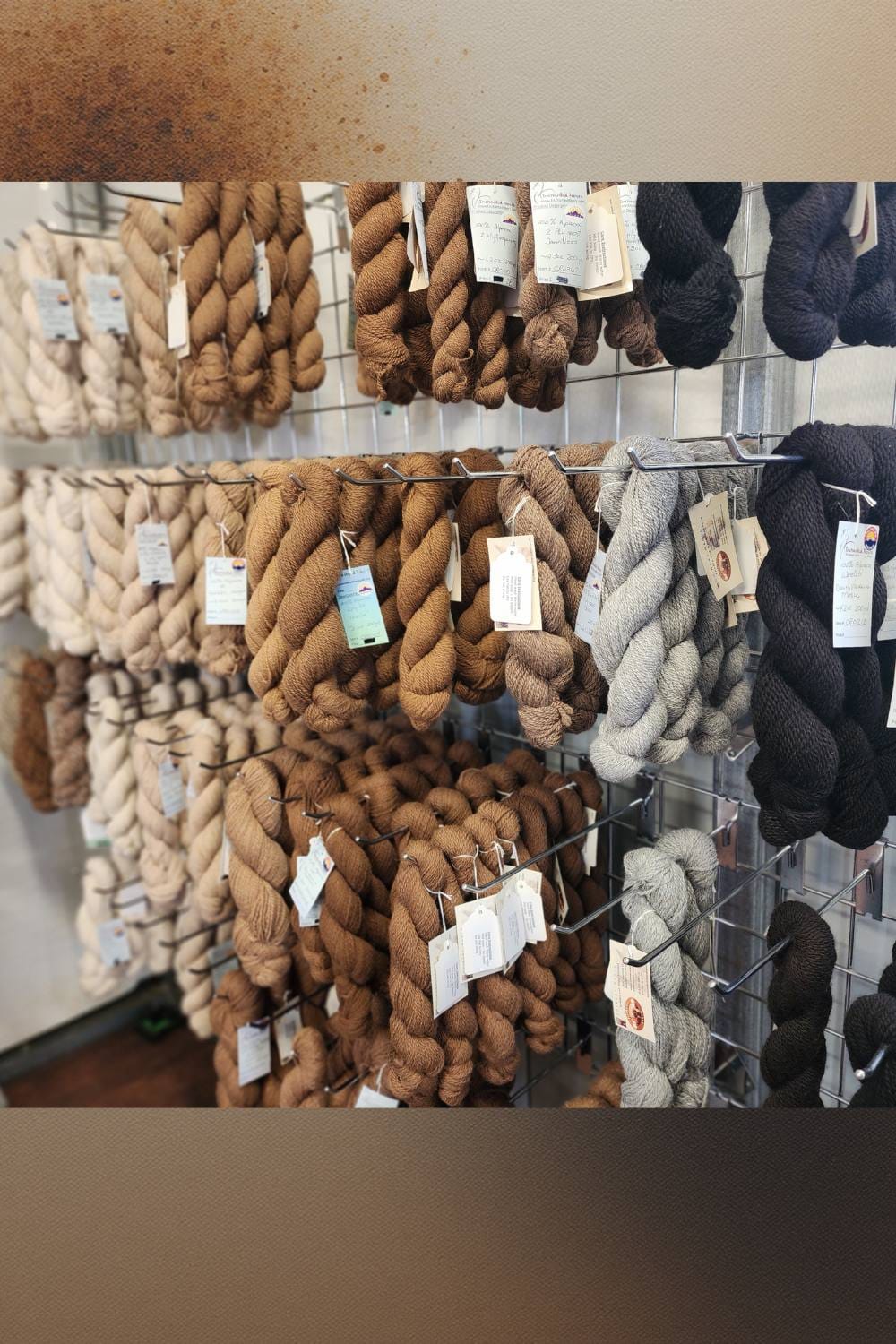
Artisan milled alpaca yarn is processed in small batches at specialized fiber mills that focus on natural fibers.
How Artisan Milled Yarn Is Made
The fiber is:
Washed and cleaned
Carded into smooth rovings
Spun by machine
Wound into skeins
Skilled technicians monitor each step for quality.
Characteristics of Artisan Milled Yarn
Artisan milled yarn is typically:
Even in thickness
Smooth and soft
Consistent between skeins
Easy to substitute in patterns
Benefits of Artisan Milled Yarn
Makers choose artisan milled yarn because it:
Works well with published patterns
Makes gauge easier to match
Produces polished garments
Is beginner-friendly
What Is Hand Spun Alpaca Yarn?
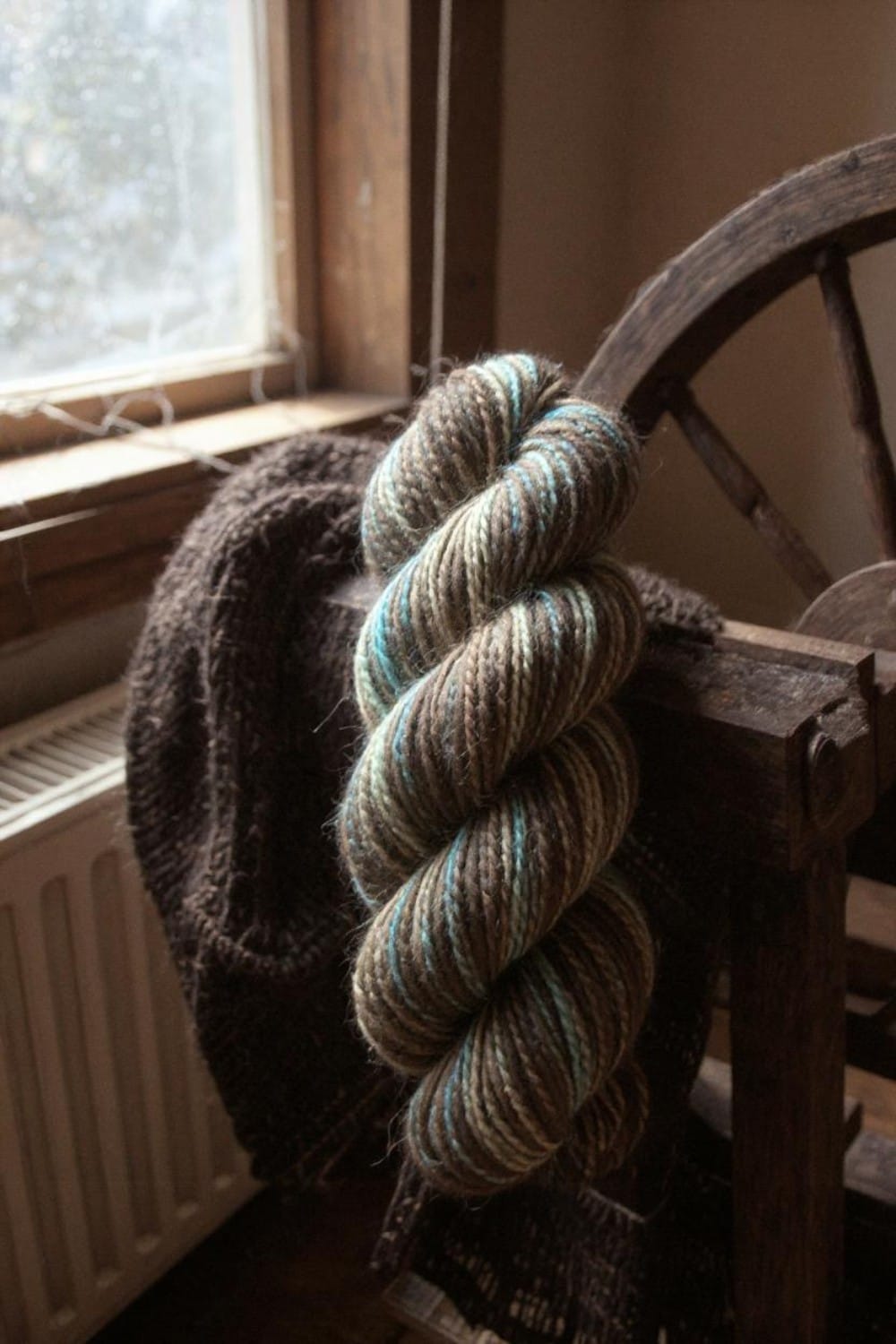
Hand spun alpaca yarn is created entirely by a spinner using traditional tools and techniques.
How Hand Spun Yarn Is Made
The spinner:
Prepares fiber by hand
Drafts and spins slowly
Plies yarn as needed
Washes and finishes each skein
Each skein reflects the spinner’s skill and style.
Characteristics of Hand Spun Yarn
Hand spun yarn usually has:
Natural thick-and-thin areas
Organic texture
Soft loft
One-of-a-kind appearance
Benefits of Hand Spun Yarn
Crafters value hand spun yarn because it:
Feels personal and artistic
Adds visual interest to projects
Connects them to the maker
Creates truly unique pieces
Artisan Milled vs. Hand Spun: Consistency vs. Character
Artisan milled yarn offers predictable thickness, twist, and stitch definition.
Hand spun yarn offers variation, texture, and creative freedom.
If you prefer reliability, choose milled yarn.
If you enjoy artistic expression, choose hand spun.
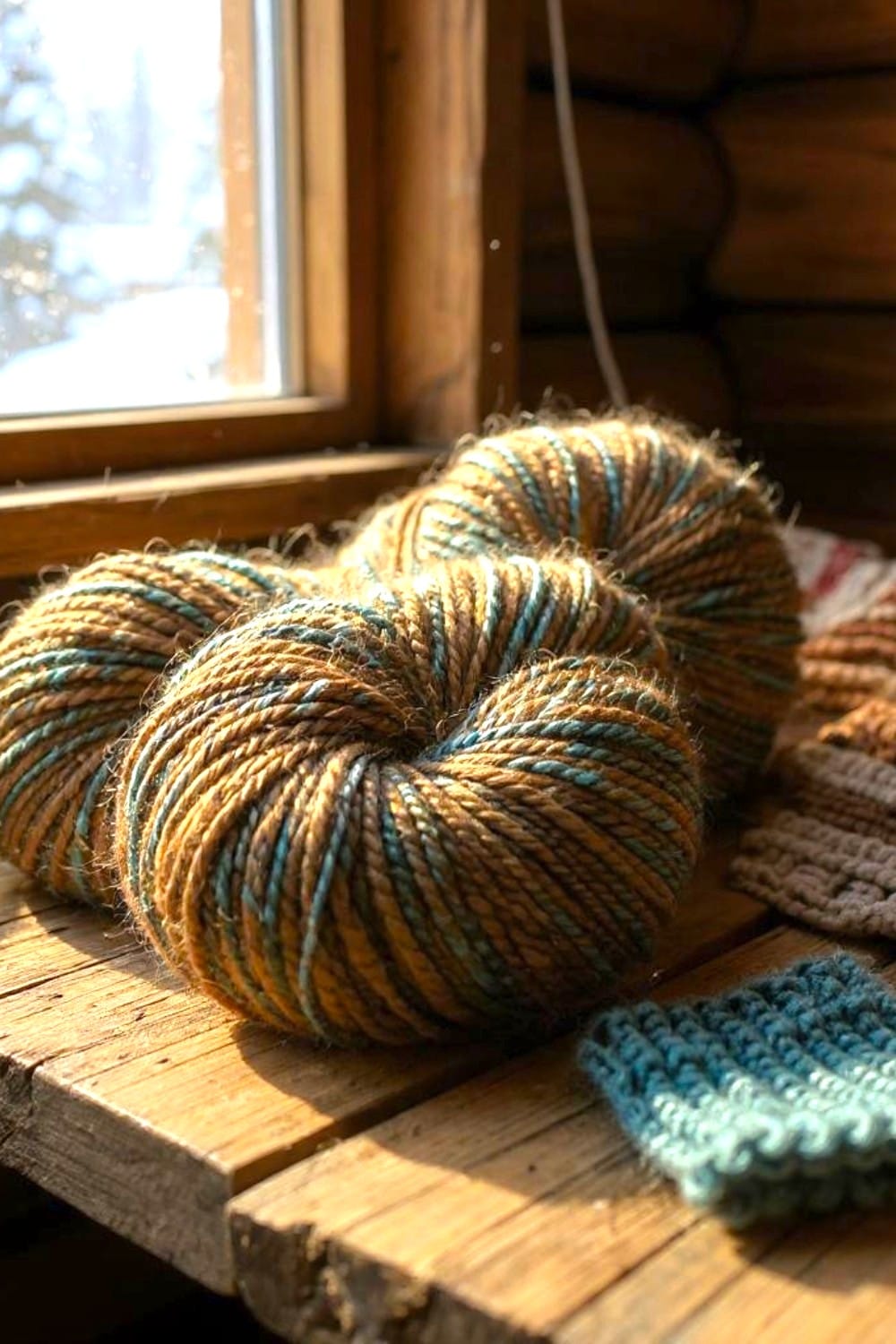
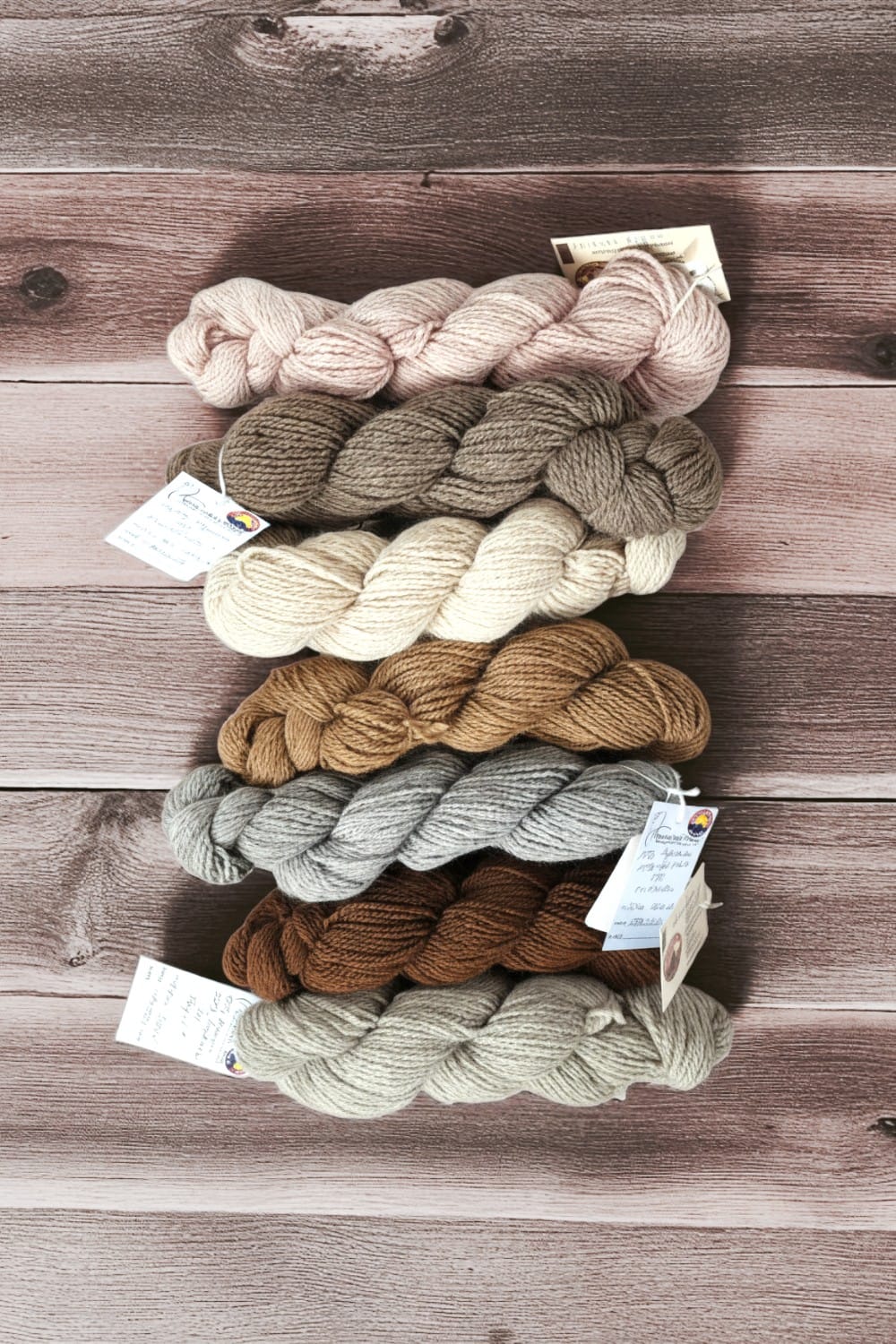
Which Alpaca Yarn Is Best for Your Project?
Choose Artisan Milled Yarn If You:
Are making sweaters or fitted garments
Follow patterns closely
Want consistent results
Are new to knitting or crochet
Choose Hand Spun Yarn If You:
Enjoy adapting patterns
Make shawls, scarves, or art pieces
Love texture and variation
Value handmade artistry
Many makers use both depending on the project.
Durability, Care, and Longevity
Both artisan milled and hand spun alpaca yarn are durable when cared for properly.
How to Care for Alpaca Yarn
Hand wash in cool water
Use gentle soap
Do not wring
Lay flat to dry
Store clean and dry
Proper care helps alpaca garments last for decades.
Sustainability and Environmental Impact
Alpaca fiber supports eco-friendly and slow fashion practices.
Sustainability of Artisan Milled Yarn
Small-batch processing
Low waste
Efficient fiber use
Sustainability of Hand Spun Yarn
Minimal energy use
Low environmental impact
Full use of small quantities
Both methods support responsible fiber stewardship.
Availability, Pricing, and Value
Artisan Milled Yarn
Produced in batches
More widely available
Lower price per skein
Hand Spun Yarn
Made individually
Very limited supply
Higher price due to labor
Price reflects time, skill, and scale of production.
How Enchanted Fibers Chooses Processing Methods
Each alpaca fleece is evaluated for:
Softness
Staple length
Strength
Color
Quantity
This helps us decide whether fiber is best suited for milling, hand spinning, or both.
Real-Life Uses for Both Yarn Types
Projects Using Artisan Milled Yarn
Sweaters
Hats
Blankets
Everyday scarves
Projects Using Hand Spun Yarn
Heirloom shawls
Statement wraps
Art knitting
Special gifts
Why Enchanted Fibers Offers Both Artisan Milled and Hand Spun Yarn
We offer both because:
Makers have different needs
Creativity changes with seasons
Every fleece deserves its best use
We value both precision and artistry
Our goal is to honor the fiber and support thoughtful making.
How to Choose the Right Alpaca Yarn for You
If you’re unsure, ask yourself:
Do I want predictability or creativity?
Am I following a pattern?
Is this a gift or a personal project?
Do I enjoy experimenting?
Your answers will guide your choice.
Frequently Asked Questions About Alpaca Yarn
Is hand spun alpaca yarn better than milled yarn?
No. Hand spun yarn is more unique and artistic, while milled yarn is more consistent and predictable. Each serves different purposes.
Is artisan milled yarn still handmade?
Yes. While machines spin the yarn, skilled artisans oversee every step in small-batch production.
Can beginners use hand spun yarn?
Yes, but beginners often find artisan milled yarn easier to work with at first.
How long does alpaca yarn last?
With proper care, alpaca yarn garments can last many years or even decades.
Final Thoughts: Choosing Yarn With Confidence
Every skein of alpaca yarn tells a story.
Some are shaped by small mills and careful systems.
Some are shaped by hands and quiet hours at the wheel.
Both begin on our farm.
Both are made with care.
Both are meant to be enjoyed.
When you choose artisan milled or hand spun alpaca yarn, you’re choosing how you want to connect with your materials—and with the people and animals behind them.
Check out the yarn offerings at Enchanted Fibers Yarns.
Stay Close to the Heart of Enchanted Fibers
From the alpacas who grow the fiber to the hands that shape each piece, everything we create carries a story.
Join The Enchanted Circle for gentle updates, behind-the-scenes moments from the ranch, and first looks at new wearables and yarns.
A warm, creativity-filled community—no noise, just meaning.


