

What Makes Artisan-Milled Alpaca Yarn Truly Special
When we think of alpaca fiber, we often imagine softness, warmth, and luxury. But there’s even more to this remarkable natural fiber—especially when it’s been carefully processed by artisans. From its unique structure to its natural beauty, alpaca fiber becomes something extraordinary in the hands of a skilled artisan mill. Here are four things you may not know, but that make artisan-milled alpaca yarn stand out.
Naturally Hypoallergenic—Because There’s No Lanolin
Alpaca fiber is completely lanolin-free. This means:
Less irritation: For those with sensitive skin, wool’s lanolin (or residues from its removal) can cause discomfort. Alpaca avoids that altogether.
Gentler processing: Without heavy lanolin content, the fiber requires fewer chemical treatments during scouring. This preserves more of its natural qualities and is better for the environment.
Artisan mills typically use gentler washing methods, which protect the integrity of each fiber and maintain softness without harshness.

Strength and Softness in Harmony
Alpaca is often praised for its buttery softness—and rightly so—but what many don’t realize is how strong the fibers can be:
Long, smooth, fine strands resist pilling.
When properly milled, the fiber retains loft and durability—garments last longer.
Artisan-milled yarn makes the most of these traits. The milling process (carding, combing, spinning) is done with attention to tension, twist, and alignment, so that the finished yarn balances strength and hand-feel.
Warmth, Breathability, and Comfort
One of the signature features of alpaca fiber is its hollow core (on a microscopic level), which provides:
Excellent insulation that traps air, keeping you warm.
Still, because of the natural structure, alpaca breathes well—so you don’t overheat.
When artisan mills spin yarn for, say, sweaters, scarves, or shawls, they have to consider this dual nature. The spinning weight, ply, and twist are chosen to amplify warmth, yet allow airflow. It’s this craftsmanship that gives artisan-milled alpaca yarn its “just right” feel in changing climates.
A Wide Natural Palette—and Less Need for Dyes
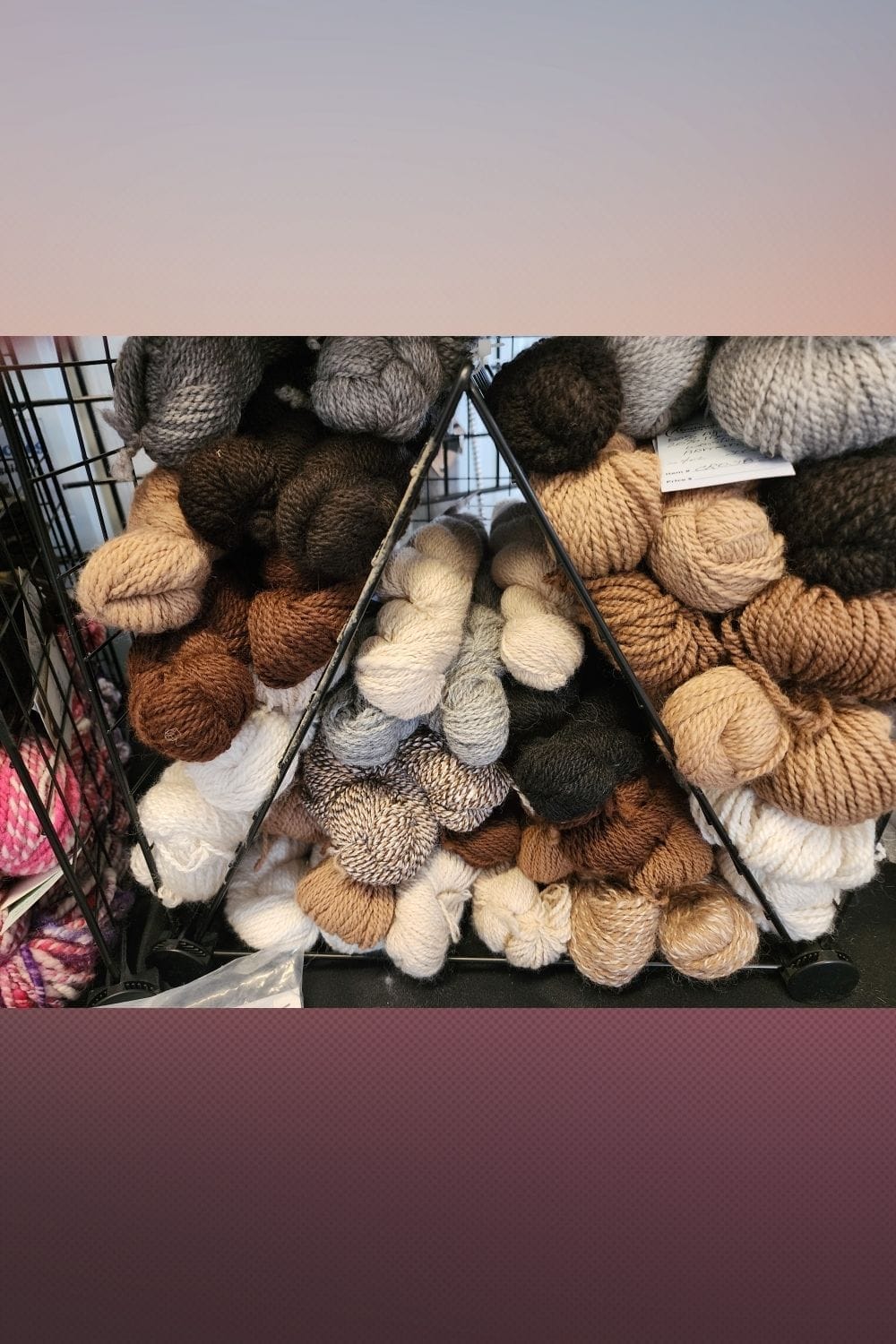
Alpacas come in an astonishing variety of hues: pure whites, deep blacks, a spectrum of browns, grays, creams, and even rose tones. The textile world officially recognizes about 22 natural colors.
Artisan mills often preserve these natural tones, letting the raw beauty of the fiber shine.
When dyes are used, they’re often chosen to complement or enhance the natural color, not to mask it.
This means: fewer chemicals, less environmental impact, and more of what makes alpaca truly one-of-a-kind.

Why Artisan Milling Matters
All of the above characteristics—hypoallergenic softness, strength, warmth with breathability, stunning natural colors—are present to some extent in alpaca fiber “straight from the alpaca.” But artisan milling brings them together in a higher order:
Quality control at every step: from selecting fiber (fineness, length, clean fleece) to washing, carding or combing, spinning, and finishing.
Attention to “hand” (that is, how the fiber feels in your hands, how it behaves when knit or woven).
Small-batch production: letting the unique qualities of each fleece (or herd) come through.
Ethical and sustainable practices: often more transparent than large-scale mills; more respect for the animals, the land, and the people making the yarn.
The Takeaway
Alpaca fiber is already more than just soft. But artisan-milled alpaca yarn takes everything that makes alpaca special—and elevates it: purity of fiber, strength, warmth, beauty, and sustainability.
At Enchanted Fibers, that’s exactly what we strive for—we turn each fleece into artisan yarns that let alpaca’s natural brilliance shine in every stitch.
Want more stories from the farm and studio?
Join our monthly Enchanted Circle — calm inspiration, slow fashion, and alpaca magic.


