

What You Should Know About Alpaca Yarn (Before You Knit or Wear It)
Alpaca yarn has become increasingly popular among knitters, fiber artists, and people seeking comfortable, natural-fiber garments. Many discover alpaca after struggling with wool that feels itchy, heavy, or irritating against the skin.
But alpaca yarn is not simply a softer version of wool. It behaves differently, feels different, and performs best in specific types of projects. Understanding how alpaca fiber works helps you choose the right yarn — and ensures the finished piece is one you will enjoy wearing or using for years.
At Enchanted Fibers, we work with alpaca fiber from the farm through processing and creation. This guide explains what alpaca yarn is, what makes it unique, and when it is the right choice for your next project.

What Is Alpaca Yarn?
Alpaca yarn is made from the fleece of alpacas, animals native to the Andes Mountains of South America. Alpaca fiber developed naturally to withstand dramatic temperature changes, offering insulation, breathability, and durability in a wide range of conditions.
Like all animal fibers, alpaca is a protein-based fiber. Unlike sheep’s wool, alpaca fiber contains no lanolin, which is one reason it is often better tolerated by people with sensitive skin.
One of alpaca’s most important characteristics is its natural ability to provide insulation without added weight.
Some alpaca fibers are hollow or partially hollow, a feature that can contribute to warmth by trapping air. However, even fibers that are not hollow still provide excellent insulation due to alpaca’s fiber structure, scale pattern, and the way alpaca yarn is spun.
Alpaca yarn can be spun into many weights and styles, and while individual fibers vary, the fiber is consistently valued for warmth, breathability, and lightweight comfort.
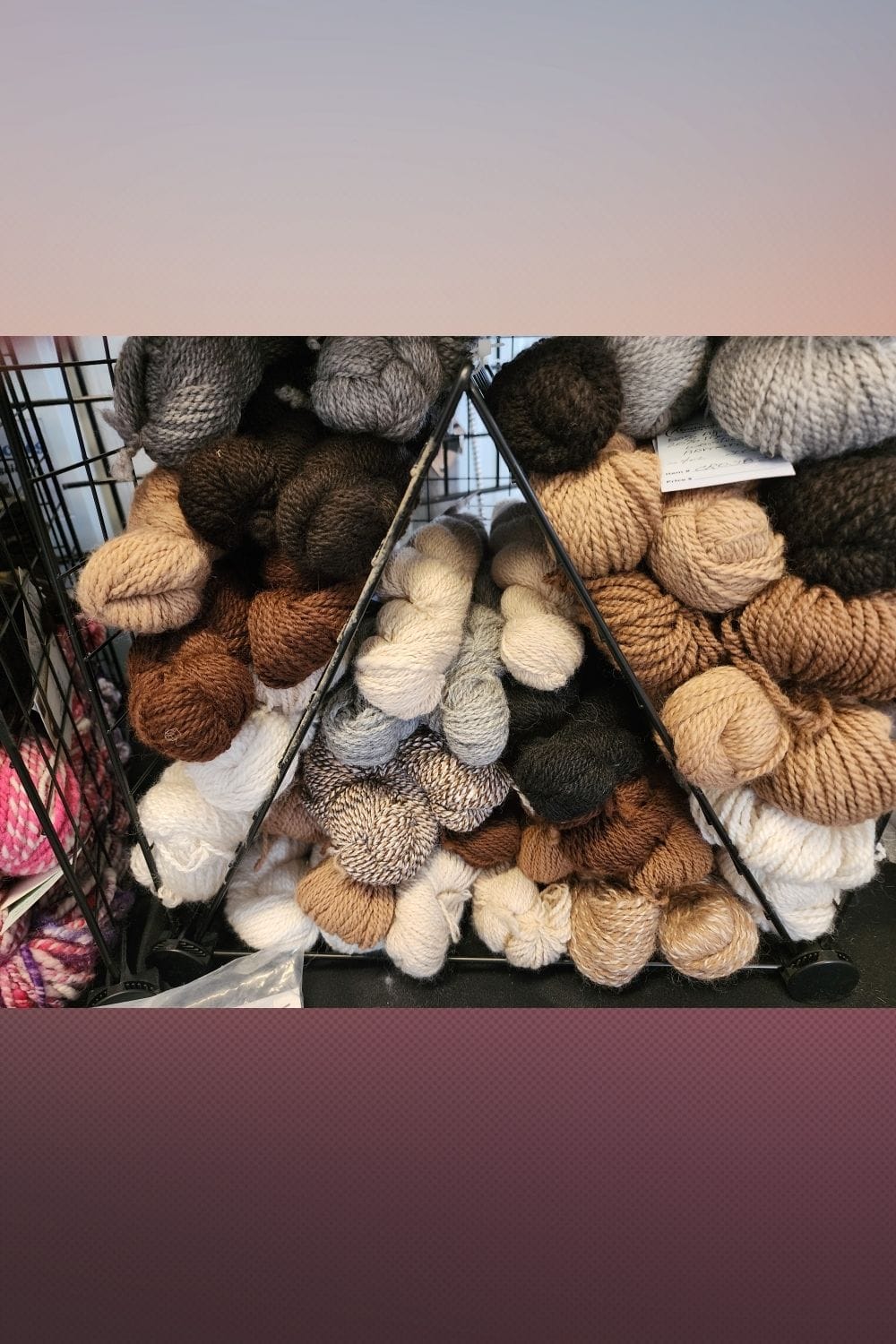
How Alpaca Yarn Feels
Alpaca yarn is widely known for its soft, comfortable feel, but that softness comes from structure, not magic.
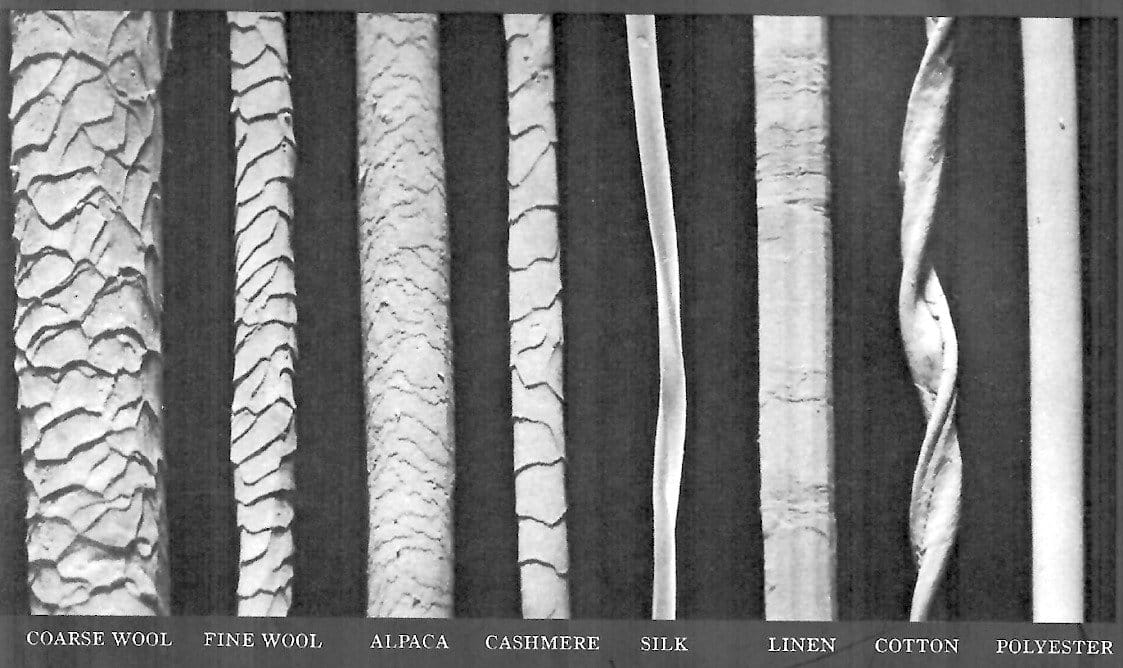
Like all natural animal fibers, alpaca fiber has microscopic scales along its surface. These scales are present in wool, alpaca, cashmere, and other animal fibers and are a natural part of protein-based fibers.
What sets alpaca apart is that these microscopic scales are smaller and smoother than those found in most sheep’s wool. Because of their size and shape, alpaca fibers tend to glide against the skin rather than catch or irritate. This is why alpaca is often perceived as smoother and less scratchy.
The finer scale structure also allows alpaca fiber to reflect light more evenly, contributing to its subtle luster and soft visual sheen.
In the hand and against the skin, alpaca yarn typically feels smooth, gentle, and non-abrasive, making it especially well suited for garments worn close to the body.
This smooth, non-abrasive feel is one reason we choose alpaca for many of the yarns and wearables we create at Enchanted Fibers.
Why Alpaca Yarn Is Warm Yet Breathable
One of the most valued qualities of alpaca yarn is its ability to provide warmth without feeling heavy or bulky.
The hollow core of alpaca fiber traps warm air while still allowing airflow. This natural insulation results in:
Lightweight warmth
Breathable comfort
Better temperature regulation
Even lighter-weight alpaca yarns can feel surprisingly warm, making alpaca an excellent choice for cold-weather garments that remain comfortable indoors and out.
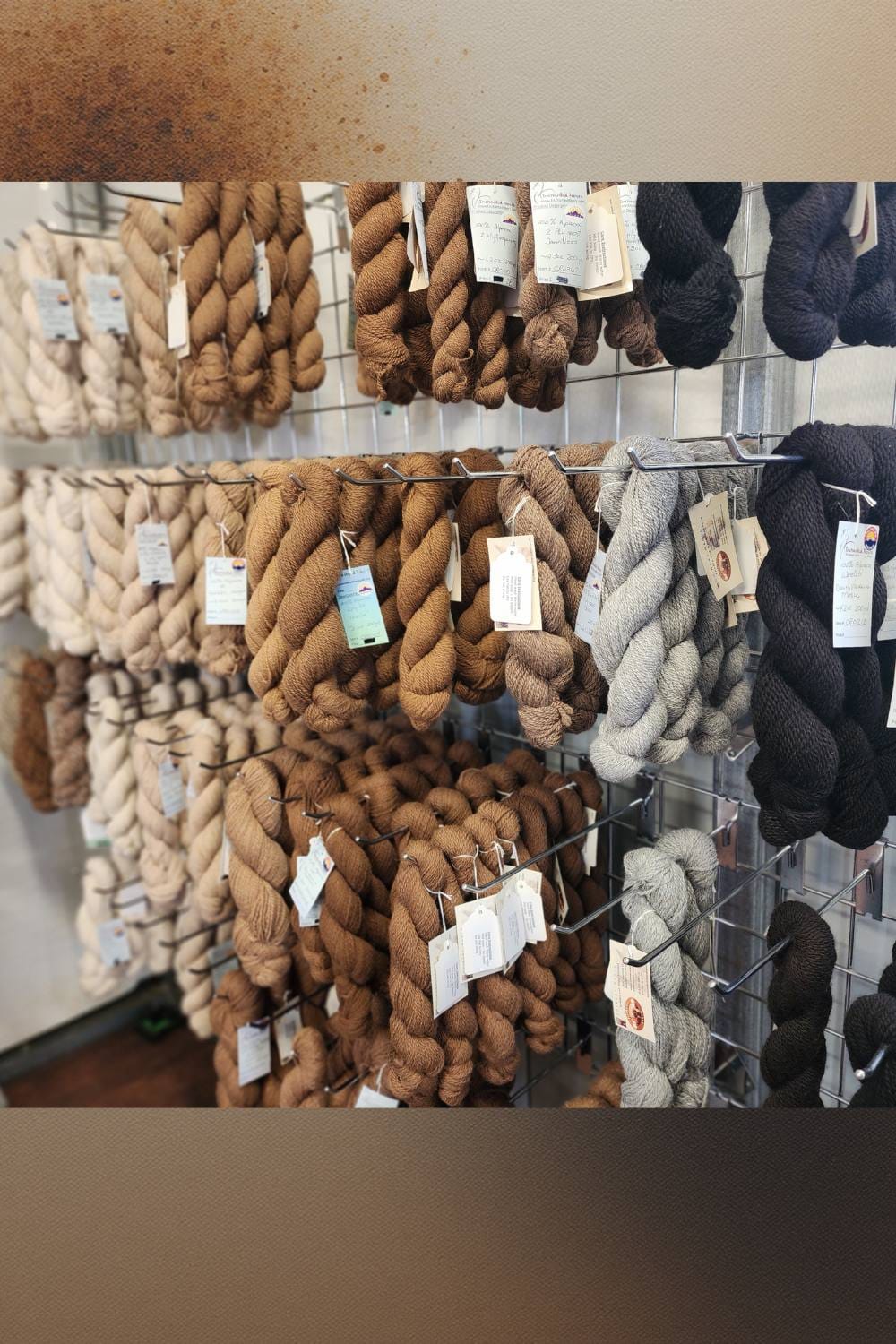
Key Characteristics of Alpaca Yarn
Understanding the characteristics of alpaca yarn helps set realistic expectations for how it behaves in both making and wearing.
Natural Properties of Alpaca Fiber
Hypoallergenic and lanolin-free
Smooth fiber surface with fine microscopic scales
Naturally resistant to pilling and matting
Durable with proper care
Performance Characteristics
Excellent stitch definition
Elegant drape
Warm yet breathable
Strong fiber with a soft had
Stretch and Elasticity
Alpaca yarn has less natural elasticity than wool. While this contributes to its beautiful drape, it also means alpaca garments can stretch over time if not designed thoughtfully.
This is not a flaw in the fiber — it is simply part of understanding how alpaca behaves and how to use it well.
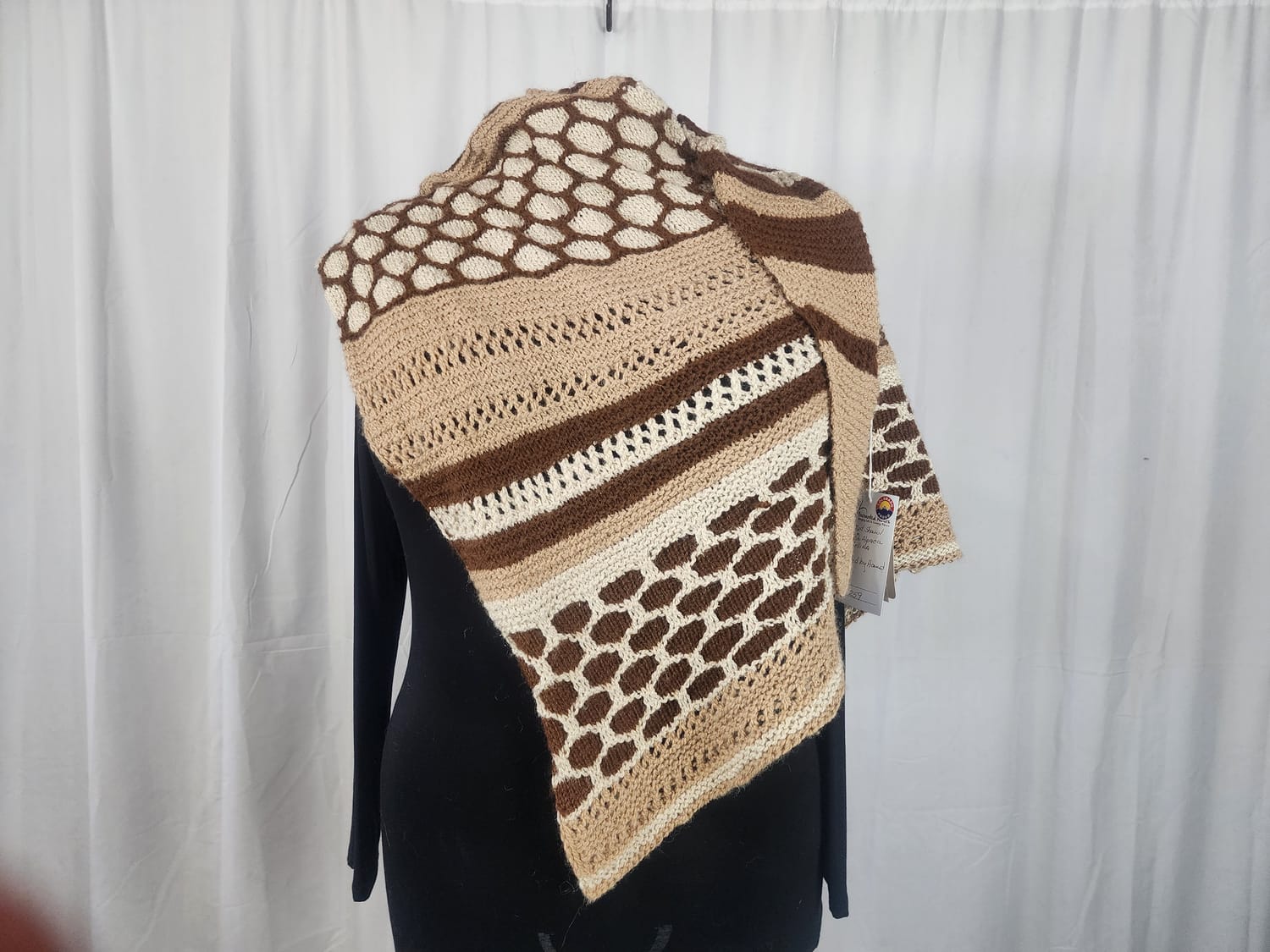
What Alpaca Yarn Is Best Used For?
Alpaca yarn excels in projects where comfort, warmth, and drape are more important than structure or elasticity.
Alpaca yarn is especially well suited for:
Scarves and wraps
Shawls and cowls
Sweaters and ponchos
Layering garments
Wearable art and felted pieces
Because of its natural flow and softness, alpaca performs best in designs meant to move with the body rather than hold rigid shape.
At Enchanted Fibers, we work with small-batch alpaca yarns spun to highlight drape, warmth, and comfort — qualities that allow alpaca to shine in these types of projects.
When Alpaca Yarn May Not Be the Best Choice?
As versatile as alpaca yarn is, it is not ideal for every project.
Alpaca yarn may not be the best option for:
Highly structured garments without reinforcement
Projects requiring strong elasticity
Very fine or thread-like detail work
Items that must retain tight shaping over time
Choosing alpaca yarn for the right applications leads to better results and longer-lasting garments.
Alpaca Yarn and Sensitive Skin
Many people seek out alpaca yarn because of skin sensitivity or discomfort with wool.
Because alpaca fiber contains no lanolin and has smaller, smoother microscopic scales, it is often better tolerated by people who find traditional wool itchy or irritating. While individual sensitivities vary, alpaca yarn is widely regarded as one of the most skin-friendly animal fibers available.
For many people, alpaca makes it possible to comfortably wear handmade garments for the first time.
If you’re curious to experience alpaca yarn in person, we offer a selection of artisan alpaca yarns created from small batches of fiber and spun to highlight the natural character of the fleece.
Is Alpaca Yarn Right for You?
Alpaca yarn is a natural luxury fiber valued for its softness, warmth, and comfort. When used intentionally, it creates garments and accessories that are lightweight, breathable, and enjoyable to wear.
Understanding how alpaca yarn behaves — its strengths as well as its limitations — is the key to choosing the right fiber for your project.
When selected thoughtfully, alpaca yarn produces pieces meant to be worn, loved, and lived in.
At Enchanted Fibers, we pride ourselves with the creation of small-batch market unique alpaca yarns that focus on the qualities that allow alpaca to shine in your personal projects. For more information regarding our Yarns, follow this Enchanted Fibers Yarn.
If you would like to stay informed with what is taking place at Enchanted Fibers, please consider enrolling in our newsletter, The Enchanted Circle.


